Where It Began
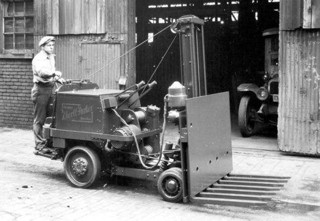

Evolution of the Forklift:
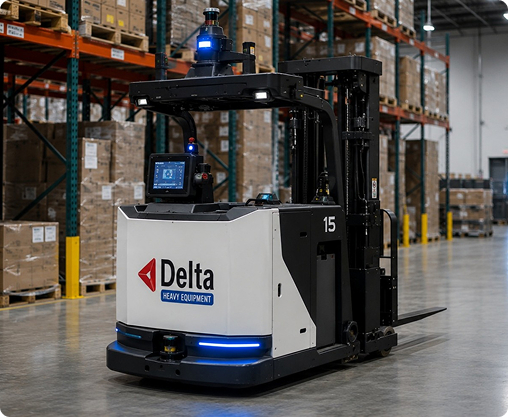
From simple lifting machines to intelligent, autonomous technology. Over the past 100 years, the forklift has evolved from a basic mechanical lifting machine into one of the most important pieces of equipment in modern industry. Today’s forklifts combine advanced electronics, lithium-ion power, intelligent safety systems, telematics and automation. The next frontier is already here — smart, autonomous and self-driving forklifts capable of transforming the way materials are moved. Delta is leading this evolution in South Africa, introducing the latest autonomous MHE technology to the local market and helping businesses prepare for the warehouses and factories of the future. The next chapter starts now & Delta is leading the way.
Today, forklifts are an indispensable part of warehouses, factories, ports, mines, and distribution centres around the world. Yet few people realize that the modern forklift is the result of over a century of innovation, driven largely by the need to move goods faster, safer, and more efficiently.
From simple hand-operated lifting devices in the early 1900s to today's lithium-ion powered smart forklifts equipped with telematics and autonomous navigation, the forklift has undergone one of the most remarkable transformations in industrial history.
The roots of the forklift can be traced back to the First World War when industries faced severe labour shortages and needed more efficient ways to move materials.Around 1917, manufacturers such as Clark Equipment Company began producing powered industrial
trucks.
Originally, these machines were little more than motorized platforms designed to transport aterials around factories. One of the earliest breakthroughs came when lifting mechanisms were added, allowing operators not only to move loads but also to raise them from the ground.
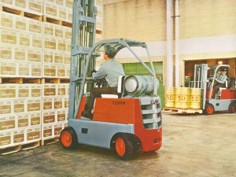
One of the earliest practical powered industrial trucks enters the scene.
Basic lifting technology begins to make material stacking more practical.
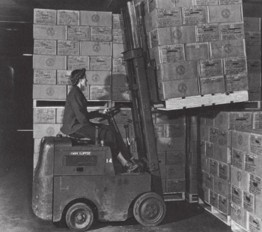
Manufacturers refine powered trucks for warehouse and industrial handling.
Standardised pallets improve the way materials are stored and moved.
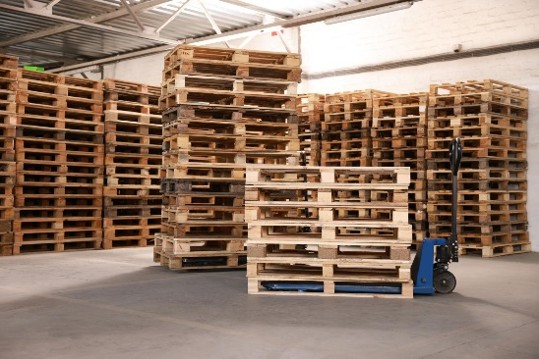
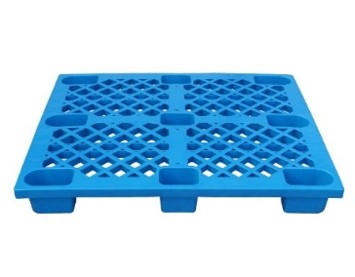
The forklift's success was closely linked to another invention that changed logistics forever: the wooden pallet.
Before pallets became common, goods were handled individually by workers. Once standardized pallets were introduced during the 1920s and 1930s, forklifts could move entire loads at once.
This single innovation:
Many historians consider the combination of the forklift and pallet to be one of the most important developments in modern supply chain management.
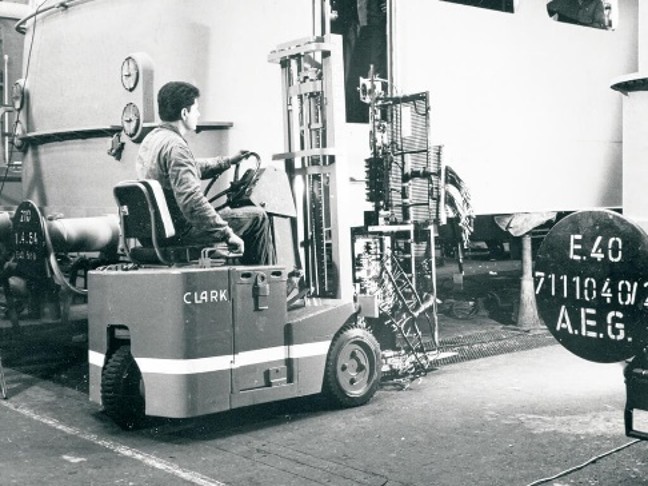
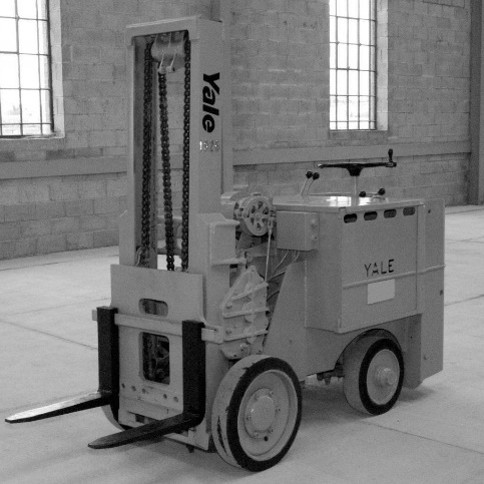
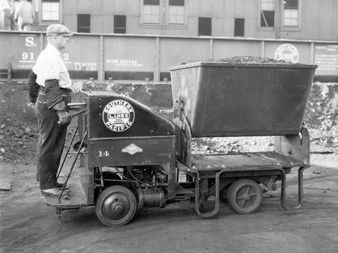
Many people assume electric forklifts are a recent invention, but electric-powered material handling equipment dates back much further.
Electric forklifts began appearing as early as the 1920s, although they were limited by battery technology. However, early lead-acid batteries were heavy, required frequent charging, and often needed battery changes during shifts.
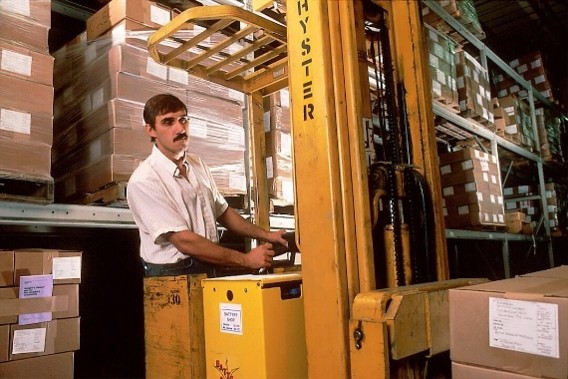
During the 1960s, 1970s and 1980s, diesel and LPG forklifts became the dominant force in material handling.
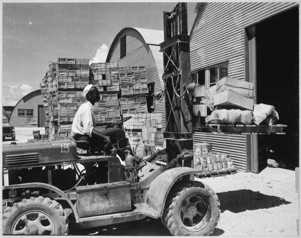
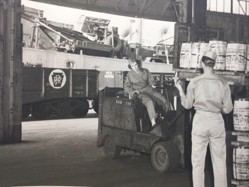
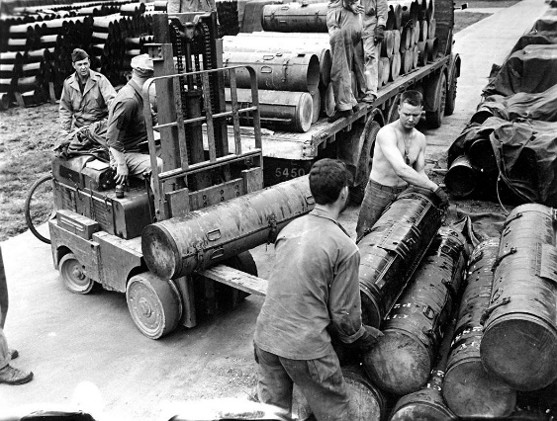
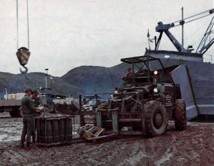
During World War II, demand for material handling equipment exploded.
Military depots, shipyards, ammunition factories, and logistics centers required unprecedented movement of supplies. Forklifts became essential to maintaining the massive supply chains that supported Allied operations.
By the end of the war, forklifts had proven themselves indispensable and rapidly spread throughout civilian industry.
The post-war economic boom created demand for larger factories and warehouses.
Forklift manufacturers responded by ntroducing:
Hydraulics allowed smoother lifting and significantly higher capacities than earlier mechanical systems.
The familiar counterweight at the rear of the forklift became standard, enabling operators to lift heavier loads without the machine tipping forward.
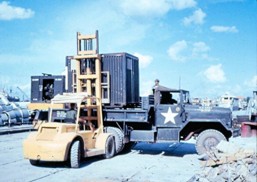
As warehouses expanded vertically, forklifts were designed to lift loads higher than ever before.By the mid-1950s, forklifts capable of handling several tons were becoming common in heavy industry.
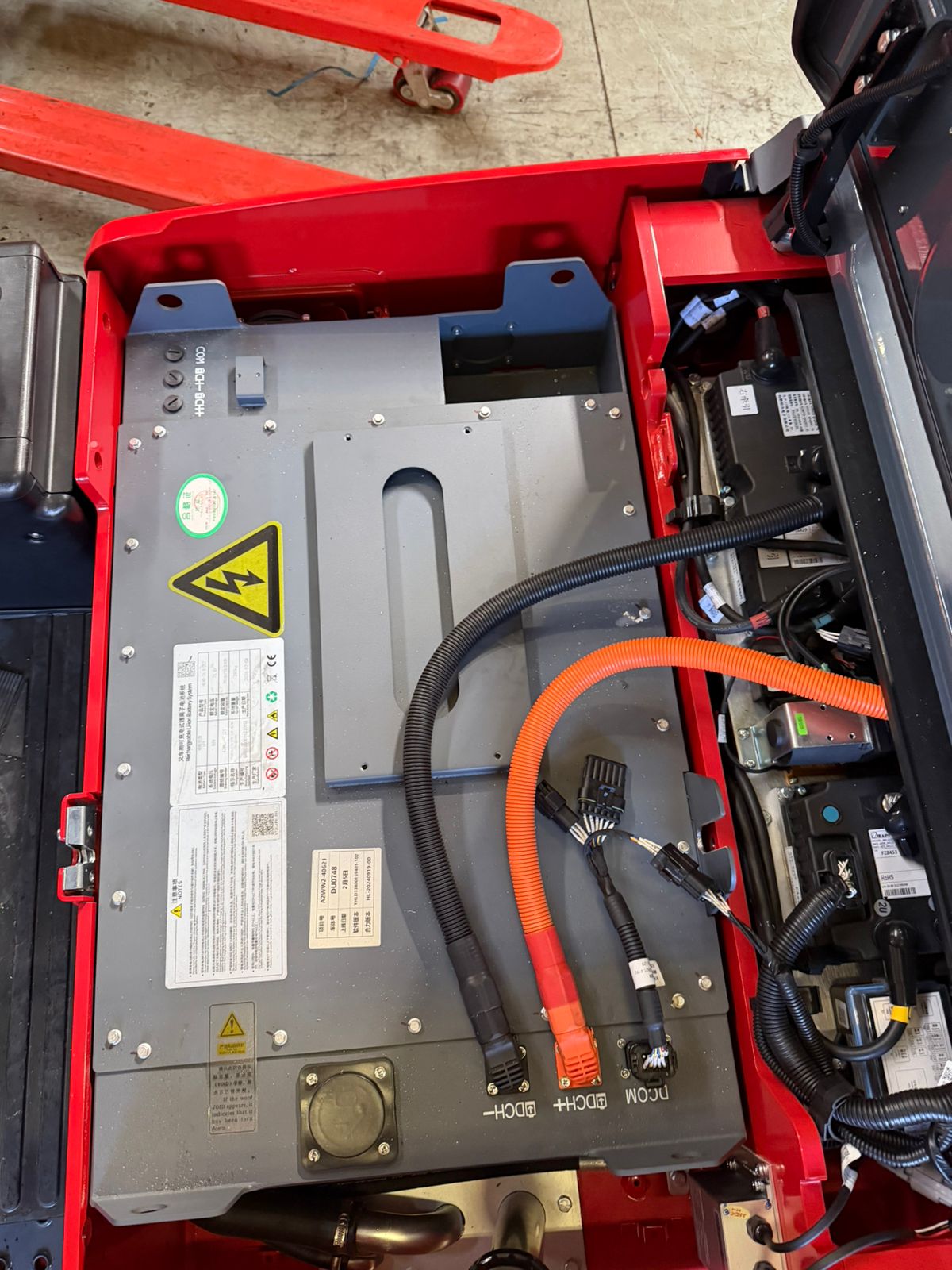
One of the most significant breakthroughs in the past decade has been the introduction of
lithium-ion battery technology.
Compared with traditional lead-acid batteries, lithium-ion systems offer:
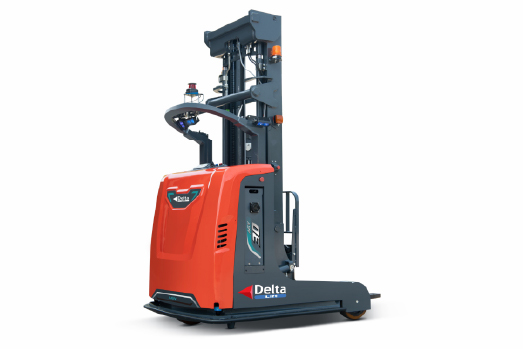
The Autonomous Self Driving Forklift
Autonomous and semi-autonomous technologies are changing how forklifts work in high-volume, high-precision environments.
Modern fleets increasingly combine operator assistance, fleet visibility, lithium-ion efficiency and route optimisation to improve daily throughput.
Who is using autonomous forklifts?
Many of the world's largest logistics and manufacturing companies
have already integrated autonomous forklifts into their operations,
including:
South Africa's Forklift Industry
South Africa's material handling industry has evolved significantly over the past two decades. Historically dominated by diesel and LPG-powered forklifts, the market is now rapidly transitioning toward electric and lithium-ion technologies.
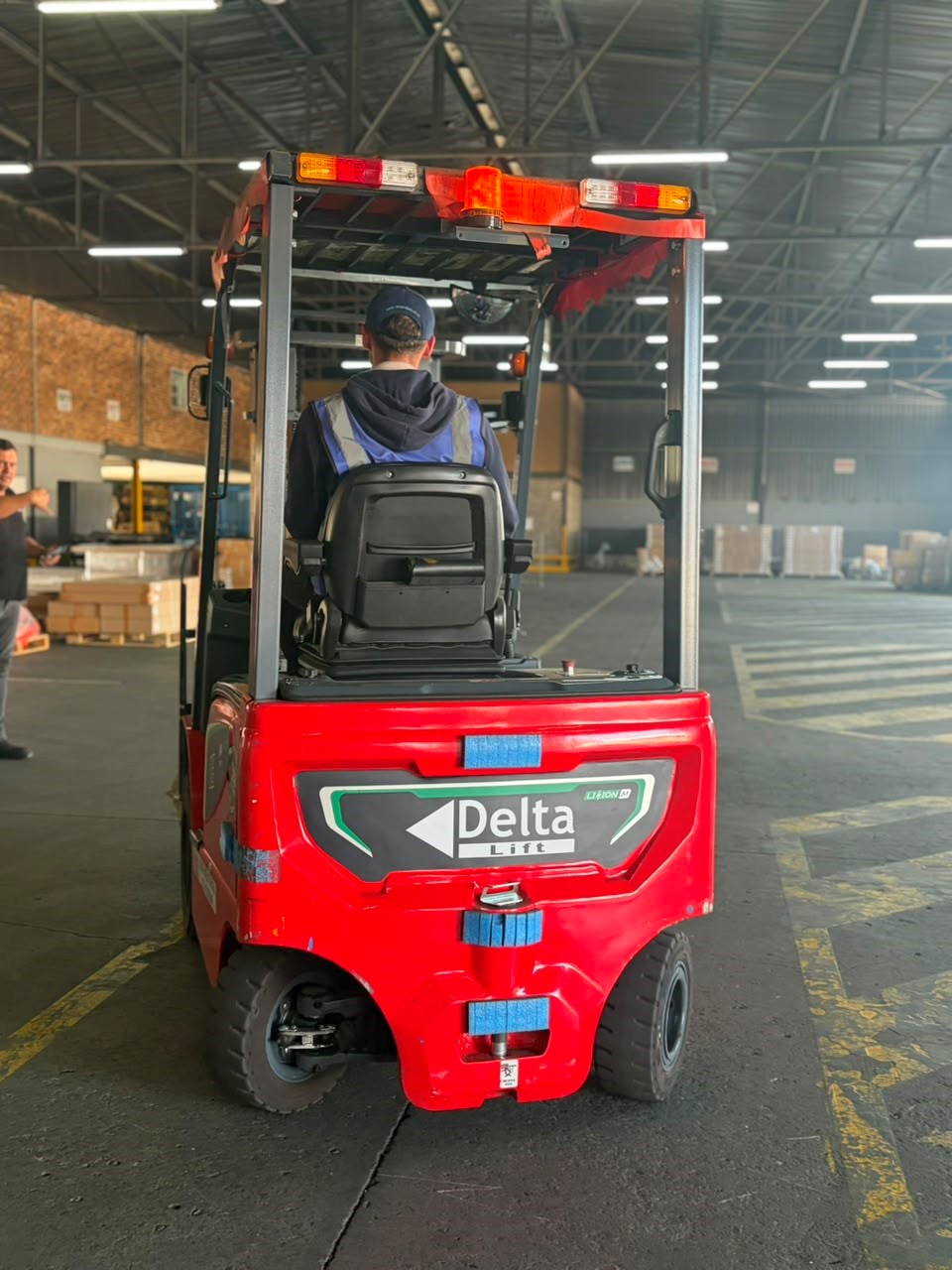
Among the companies helping drive this transformation is Delta Heavy Equipment, one of South Africa's fastest-growing and most innovative forklift and material handling suppliers.
Through the expansion of the Delta Lift range of forklifts, pallet equipment, reach trucks and warehouse handling solutions, the company continues to introduce new technologies aimed at improving productivity, reliability and operating efficiency for South African businesses.
In what will become a major milestone for African material handling, Delta Heavy Equipment is currently planning to become the first South African company to introduce autonomous self-driving forklifts to the local market for purchase and rental options.